Leave Your Message
So, you're curious about China’s top 10 biggest pool tile types, huh? Well, this guide is here to help. It covers ten popular categories that you’ll see used in everything from residential pools and hotels to sports facilities and commercial projects. When folks talk about “Big Pool Tiles,” they’re usually referring to larger ceramic or porcelain tiles. But sometimes, suppliers also use that term for oversized mosaic sheets. Little thing to keep in mind, because it can affect how you plan the joints, curves, drainage, and the overall installation process.
We’re focusing on what’s practical to source and how well these tiles perform technically. That means looking at glazed porcelain, full-body porcelain, ceramic pool tiles, glass mosaics—stuff like anti-slip surfaces, stone-look finishes, gradient blue tiles, big wall tiles, frost-resistant options, and even custom prints. Each type gives off a different vibe—deep cobalt colors can really make the water look richer, while pale aqua shades brighten things up around narrow pools. Textured surfaces can give you better grip, but they might also trap more dirt. Details really matter here.
When comparing options, it's smart to check water absorption, chemical resistance, slip level, color consistency, size accuracy, and whether they can handle cold weather. And yeah, you should always get current test reports, samples, and factory info to be sure. Big manufacturers, like those based in Foshan, for example, often have large collections, but quality can vary depending on the product line—so that’s something to watch out for.
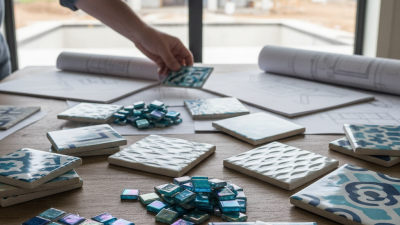
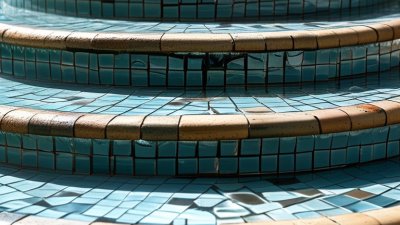
Installation-wise, bigger tiles mean fewer grout lines, which sounds nice but also require a perfectly flat surface and precise cutting. Curved steps or overflow channels can quickly reveal any weak points, so be cautious there. Honestly, no one tile type is perfect for every pool situation. Things like your budget, climate, maintenance plans, and the look you want should all play into your final choice. Before making a call, it’s a good idea to compare samples in real water and lighting conditions — that way, you really know what you’re getting.
All in all, take your time, do some research, and don’t be afraid to ask questions. It’s all about finding the right fit for your pool—both in style and performance.
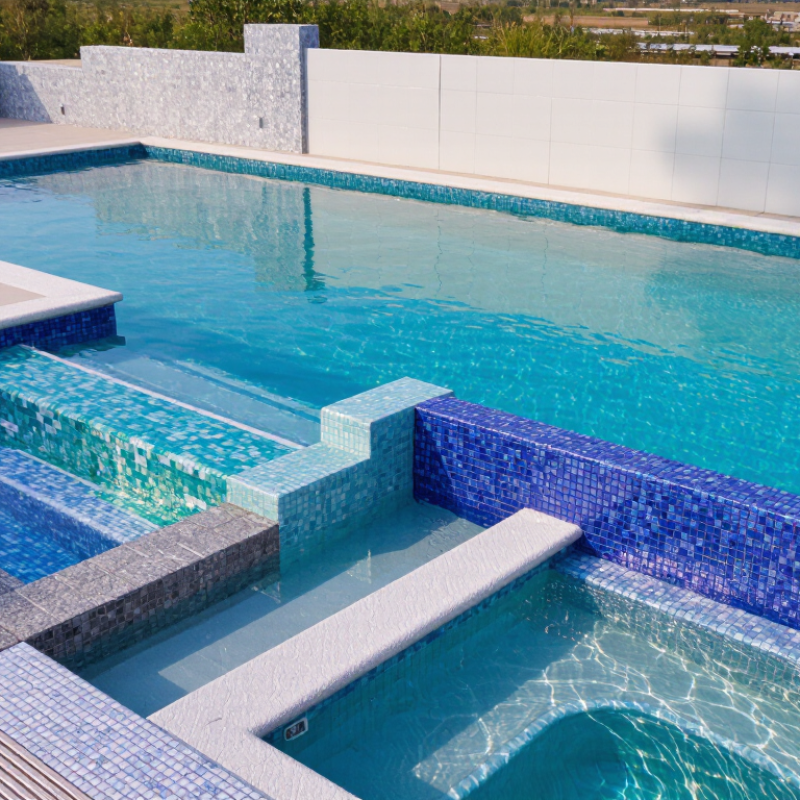
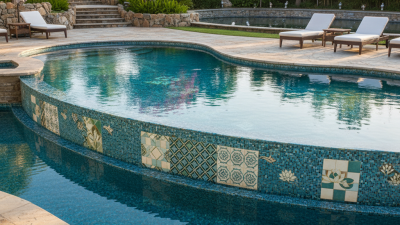
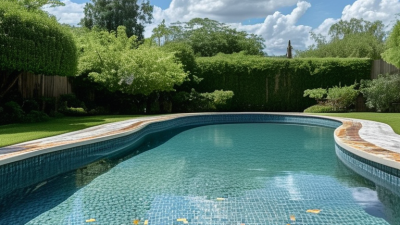
Pool tiles are best classified by where they sit and how they perform, not by appearance alone. Porcelain suits submerged floors and walls because dense, low-absorption bodies handle constant water exposure. Ceramic often works well above the waterline, but each product’s rating matters. Glass mosaics add color and resist staining, though grout joints need careful cleaning. Small formats also follow curved steps more easily.
For Pool Tiles Around Pool, grip matters more than shine. Textured porcelain, quarry tile, and selected stone can provide safer footing on wet decks. Their performance varies: rough surfaces may hold dirt, while natural stone can need sealing and regular care. Pebble mosaics offer a tactile finish on steps and shallow areas, but uneven surfaces may feel uncomfortable underfoot. Choose by actual use.
Coping tiles cap the pool edge and must withstand splashes, sun, and frequent contact. Waterline tiles face oils and mineral deposits, so smooth, cleanable surfaces are practical. Large-format tiles reduce grout lines on broad walls, but require a flat substrate and precise installation. These ten types are useful categories, not a perfect ranking. Check slip, water-absorption, and outdoor-suitability data before buying. Test the surface. A small sample can reveal flaws that a showroom display cannot.
| Tile Type | Typical Material and Format | Common Pool Use | Key Performance Characteristics | Selection Considerations |
|---|---|---|---|---|
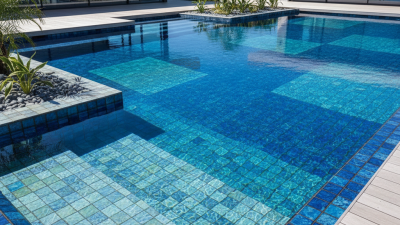
| Porcelain Pool Tile | Dense porcelain ceramic; available as small-format pieces, mosaics, or larger tiles | Pool floors, walls, steps, and waterline areas | Porcelain tiles classified in ISO 13006 Group BIa have water absorption of 0.5% or less. Generally durable and easy to clean when correctly installed. | Check the tile’s intended wet-area use, surface finish, and compatibility with the pool’s setting and grouting materials. |
| Glass Mosaic Tile | Colored or clear glass, commonly supplied as small pieces on mesh sheets | Pool interiors, waterlines, decorative bands, and curved surfaces | Non-porous glass surfaces are generally resistant to water absorption and can produce reflective color effects. | Use a pool-rated system; confirm the backing, adhesive, grout, and installation method are suitable for continuous immersion. |
| Ceramic Mosaic Tile | Small glazed or unglazed ceramic pieces, often supplied in sheets | Pool interiors, steps, benches, and curved details | Small units can follow curved surfaces and create detailed patterns. Performance varies by body, glaze, and product specification. | Check water-absorption classification and confirm that both the tile and its installation system are designed for submerged use. |
| Glazed Ceramic Tile | Ceramic body with a fired surface glaze; commonly available in multiple colors and finishes | Waterline bands, pool walls, and decorative areas | The glaze provides a finished surface that is generally straightforward to clean; the body’s absorption depends on its classification. | Inspect the technical data and avoid assuming that every glazed ceramic tile is suitable for a pool interior. |
| Unglazed Porcelain Tile | Through-body or unglazed porcelain; available in plain or textured finishes | Pool floors, steps, and wet circulation areas | Dense porcelain bodies can provide low water absorption; unglazed finishes avoid a separate glaze layer. | Choose a surface texture appropriate to the location and verify slip-resistance information for the intended wet conditions. |
| Textured Anti-Slip Tile | Usually porcelain or ceramic with a structured, profiled, or granular surface | Pool surrounds, changing areas, steps, and other wet walking surfaces | Surface texture can improve traction under specified test conditions, while pronounced texture may retain dirt more readily. | Compare test results using the applicable local method; slip resistance depends on the test method, surface condition, and use. |
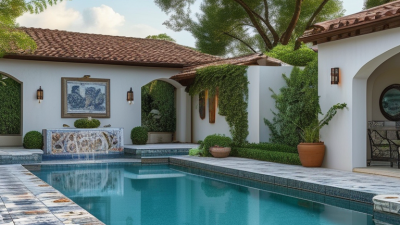
| Pool Coping Tile | Porcelain, ceramic, or other suitable tile formed or finished for pool edges | Pool perimeter, edge transitions, and step nosings | Designed to finish the pool edge; some products include a rounded edge or a shaped profile. | Check dimensions, edge detail, drainage, grip, and compatibility with the pool’s structural and waterproofing details. |
| Large-Format Porcelain Tile | Large porcelain slabs or panels, with fewer grout joints than small-format tile | Pool surrounds, terraces, and selected pool-wall applications | Can create a more continuous visual appearance. Large size does not by itself establish suitability for immersion or slip performance. | Confirm application approval, substrate requirements, joint layout, handling needs, and wet-area surface performance. |
| Frost-Resistant Pool Tile | Typically low-absorption porcelain or another product tested for the relevant exposure | Outdoor pools and exterior pool surrounds in freeze-thaw climates | Low water absorption can reduce the amount of water entering the tile body; freeze-thaw suitability should be supported by product testing. | Assess tile, grout, adhesive, drainage, and installation together, since trapped water and poor detailing can cause damage. |
| Decorative Pattern or Blend Mosaic | Mixed-color ceramic, porcelain, or glass pieces assembled into a pattern or blend | Waterline features, pool floors, accent walls, and visual wayfinding | Offers design flexibility; performance depends on the constituent tile and the sheet’s backing and installation system. | Verify that all components are suitable for the intended exposure and that sheet joints align cleanly during installation. |
Note: This is a practical classification by material, format, application, and performance—not a verified sales ranking. Product suitability varies; consult current technical data and local building requirements before specifying tiles for a pool.
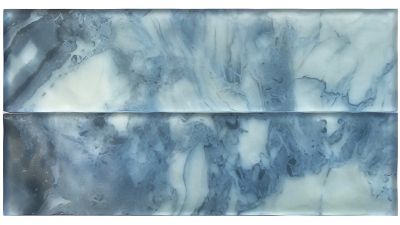
Choosing swimming pool waterline glass tiles begins with matching appearance to performance. Glass is nonporous, so it resists water absorption and helps maintain a crisp finish in areas exposed to splashes, sunlight, and regular cleaning. For a balanced look, 2 × 4-inch chips (approximately 48 × 98 mm) create a clean horizontal rhythm along the waterline while remaining versatile enough for spas, feature walls, and wellness areas. Inkjet-printed surfaces offer visual detail, while color choice shapes the pool’s mood: Glacier Blue and Deep Ocean Blue suggest depth, Mist Green adds a softer natural tone, and Cloud White or Stone Grey provides a quieter, contemporary effect.
Durability depends on more than tile material: correct installation and water chemistry matter too. The CDC’s Model Aquatic Health Code recommends maintaining pool water pH between 7.0 and 7.8, a range that supports effective disinfection and helps limit conditions that can affect pool finishes. Before choosing a tile, check that it is intended for submerged use, confirm compatibility with the setting materials, and ask an installer about substrate preparation and grout selection. A glass tile designed for pools, spas, and waterlines can then deliver both lasting color and a polished transition between the water and surrounding surfaces.
BIa tile has water absorption below 0.5%. This limits water uptake through the tile body. It is useful around wet areas. However, low absorption does not guarantee complete pool performance.
No. Adhesive, grout, waterproofing, substrate preparation, and workmanship also matter. A good tile cannot repair poor installation. That detail is easy to miss.
Small ceramic mosaics follow curves around benches, steps, niches, and rounded corners. They also support detailed borders. Their many joints need careful grouting and regular cleaning.
View samples beside real water. Check them in sunlight and planned pool lighting. A deep blue may look almost black at dusk. Samples can mislead.
Glazed surfaces are usually easier to wipe clean. Textured mosaics may collect residue in deeper joints. Glossy finishes look bright but can reveal uneven installation.
Yes, but size alone does not ensure durability. Large tiles need a very flat substrate and careful setting. Small uneven areas can cause visible lippage or hollow spots.
Confirm suitability for continuous immersion, cleaning chemicals, and local temperature changes. Review technical data for absorption and chemical resistance. The wrong grout can weaken an attractive finish.
Request the actual color and finish. Inspect samples wet and dry. Ask for a mock-up showing a corner, step edge, and grout joint. Mock-ups expose problems early.
Choosing among China’s top pool tile types starts with matching the tile to its location and performance needs. Glass and recycled-glass mosaics, typically supplied in 20–50 mm chips, adapt well to curved surfaces and create colorful finishes. Porcelain pool tile, classified as ISO 13006 BIa with water absorption below 0.5%, offers a low-absorption option, while ceramic mosaics and glazed tiles provide varied colors for pool walls.
For decks and coping, compare slip-resistance indicators such as DCOF ≥0.42 and R-ratings, and select a finish appropriate to the setting. Stone-look, terracotta, and natural stone differ in porosity and maintenance requirements. Large-format and custom Big Pool Tiles can suit distinctive designs, but their dimensions, grout-joint layout, and compatibility with pool chemicals should be considered together. A sound selection balances appearance, surface safety, water exposure, upkeep, and installation details.