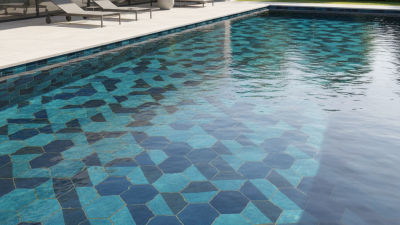
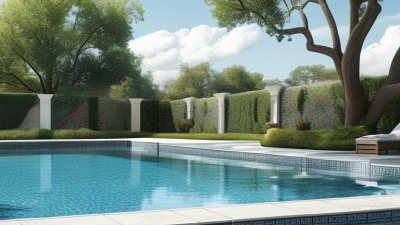
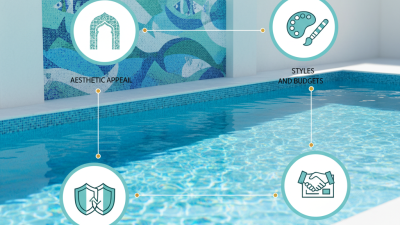
Picking out the right Pool Step Tile isn’t just about how it looks—it’s really about safety, comfort, how easy it is to keep clean, and how it’ll hold up over time. So, yeah, it’s a bit more than just style points.
Even if a tile looks gorgeous in the showroom, that doesn’t always mean it’ll feel good under wet feet. Sun, chlorine, sunscreen, and just regular water exposure can really take a toll, even on tough materials. The best tile should give you grip, be easy to see clearly, absorb minimal water, and feel comfy for bare feet. Tiny details count—like rounded edges, which can save you from stubbed toes, or contrasting colors that help you spot each step easily.
Elena Brooks, who's a pool-surface expert at AquaStone Surfaces, puts it nicely: “A step tile should guide the swimmer, not hide beneath the water.” I mean, good advice, right?
That’s pretty practical too—imagine a dark blue tile blending into a deep pool, especially at sunset. Or a textured white tile that might show dirt and stains quicker than you’d hope. Honestly, there’s no perfect choice; it’s about balancing what works for you.
Material-wise, pay attention to performance. Porcelain is pretty dependable—resists moisture well and keeps its color. Glass tiles can look stunning with those pretty reflections, but they can be tricky to install properly. Natural stone, on the other hand, adds warmth and texture, but some types need sealing and extra upkeep.
And don’t forget about installation. Poorly done, it can cause weak spots or uneven surfaces. Bad grout choices can lead to discoloration or faster deterioration. Before you buy, make sure to check the slip-resistance, water absorption, chemical compatibility, and if it meets your local pool regulations.
This guide will walk you through practical options for different pool styles, budgets, and how much upkeep you’re okay with. We’ll also point out some common mistakes that might slip by if you’re not paying attention. After all, a gorgeous Pool Step Tile is only useful if it stays safe, visible, and durable for years to come—so take your time choosing the right one.
Understanding the Role of Pool Step Tiles
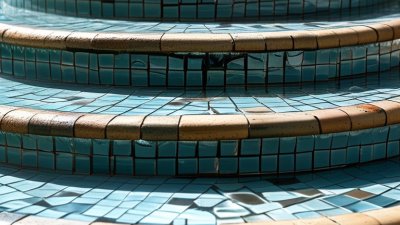
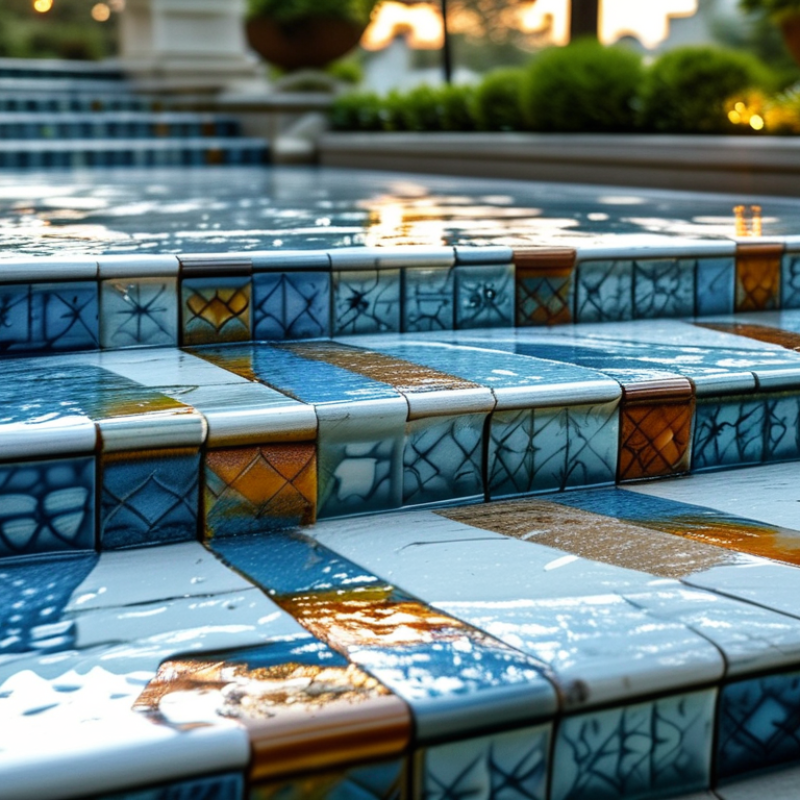
Choosing the best pool step tile begins with understanding its safety role. A step is not merely a decorative edge. It guides the eye, supports entry, and reduces hesitation on wet surfaces. The CDC’s 2023 Model Aquatic Health Code highlights visibility, lighting, and slip resistance as important aquatic design concerns. A contrasting Pool Step Trim Tile can outline each tread clearly, especially when water reflections blur the pool floor.
The numbers make this detail more serious. The U.S. Consumer Product Safety Commission’s 2024 report recorded an annual average of 358 fatal child drownings in pools and spas among children under 15. It also reported about 6,500 emergency-department injuries each year from nonfatal pool and spa submersions. Tile cannot replace supervision or barriers. It can improve recognition.
Look closely at the surface. A lightly textured finish should feel secure under bare feet, not sharp or abrasive. Ask for wet-slip testing and confirm the result suits your pool’s use. The trim should resist chlorine, cleaning chemicals, temperature changes, and repeated foot traffic. Installers often prefer rounded edges, consistent grout joints, and strong color contrast. Small details matter.
I have seen attractive steps become difficult to read after grout darkened. That mistake is easy to underestimate. Test sample tiles underwater, beside your planned lighting, before installation. A tile that looks bright in a showroom may disappear at three feet deep.
Assessing Safety, Grip, and Slip Resistance
Choosing the best pool step tile starts with safety, not appearance. Pool steps stay wet, even when the surrounding deck looks dry. Choose tiles with a textured surface that gives bare feet dependable grip. Small raised patterns often work better than sharp ridges, which can feel uncomfortable during entry.
Look for published slip-resistance test results, but read them carefully. Testing methods differ by region and by surface condition. A tile may perform well in a laboratory and feel less secure under sunscreen, algae, or muddy water. From practical inspections, I have found that strong contrast also improves visibility on deep steps. Light-colored step edges are easier to locate. Still, color alone cannot prevent slipping. Rounded edges, stable installation, and properly maintained grout matter too. I may once have focused too much on texture; maintenance proved equally important.
Tips: Wet-test a sample before installation. Step on it with clean, wet feet. Then test it with pool water and a little sunscreen. Check whether the surface remains comfortable and stable. Avoid tiles with deep grooves that collect dirt or algae. Ask the installer about suitable grout, drainage, and edge finishing. Recheck the steps regularly for loose tiles, worn texture, or slippery buildup. A safer tile is not always the roughest one. It should balance grip, comfort, visibility, and easy cleaning.
How to Choose the Best Pool Step Tile?
Barefoot slip-resistance classifications based on the minimum inclination angle defined by DIN 51097.
A higher inclination angle indicates stronger barefoot grip under wet conditions.
Class A is the basic level, Class B provides improved resistance, and Class C offers the highest
barefoot slip resistance and is generally the most suitable classification for submerged pool steps.
Tile texture, grout joints, cleaning, and proper installation should also be assessed. For additional
safety, check whether the tile complies with applicable wet dynamic coefficient of friction requirements,
such as the ANSI A326.3 benchmark of 0.42 for applicable level wet surfaces.
Choosing the Right Tile Material for Pool Steps
How to Choose the Best Pool Step Tile for Your Pool?
Choosing the right tile material starts with water absorption. Porcelain tile absorbs 0.5% or less water, according to ANSI A137.1. That low absorption helps reduce staining, freeze damage, and moisture-related cracking. It suits outdoor pools with changing temperatures. Ceramic tile can work, but check its technical rating carefully. Not every attractive tile belongs underwater.
Glass offers strong color depth and reflects light across dark steps. However, its surface can feel harsh when poorly installed. Choose textured finishes and request wet slip-resistance test results. ANSI A326.3 explains wet dynamic friction testing, though no single number guarantees safe footing. Test it wet. Corners matter.
Pool water chemistry also affects material choice. The CDC’s 2023 Model Aquatic Health Code generally places pool pH around 7.2–7.8. Continuous exposure can challenge grout, adhesives, and porous stone. The Tile Council of North America recommends compatible installation systems for submerged environments. Ask for submerged-use approval, chemical resistance data, and freeze-thaw performance. Pool Step Mosaics need tight joints, stable backing, and carefully rounded edges. I have seen beautiful stone steps darken unevenly after one season. That result is avoidable, but not always. A practical sample test beside the pool can reveal more than a showroom display.
How to Choose the Best Pool Step Tile for Your Pool? - Choosing the Right Tile Material for Pool Steps
| Tile Material |
Typical Water Absorption |
Slip-Resistance Potential |
Durability in Pool Conditions |
Maintenance |
Best Use on Pool Steps |
Key Considerations |
| Porcelain Tile |
Typically 0.5% or less when classified as porcelain |
High when a textured or certified slip-resistant surface is selected |
Excellent resistance to water, pool chemicals, staining, and temperature changes |
Low; routine cleaning is generally sufficient |
Most residential and commercial pool steps |
Choose a matte, textured, or approved slip-resistant finish rather than a highly polished surface |
| Ceramic Tile |
Varies by product; generally higher than porcelain |
Moderate to high with a suitable textured finish |
Good for many pools, but less dense products may be more vulnerable to moisture and freeze-thaw conditions |
Low to moderate; grout lines require regular attention |
Budget-conscious indoor or mild-climate pool projects |
Confirm that the tile is rated for submerged use and suitable for the local climate |
| Glass Mosaic Tile |
Very low absorption; glass itself is non-porous |
Moderate; small pieces create many grout joints, but the surface finish remains important |
Excellent resistance to water, fading, and pool chemicals when properly installed |
Moderate; grout must be kept clean and intact |
Decorative step accents, curved steps, and visibility markers |
Use professional installation and select a surface that is not excessively smooth under wet conditions |
| Natural Stone Tile |
Varies widely; dense granite is generally less absorbent than limestone or travertine |
Moderate to high with a flamed, brushed, or textured finish |
Good when the stone is suitable for submerged environments and properly sealed |
Moderate to high; some stones need periodic sealing |
Luxury designs and pools intended to complement natural landscaping |
Avoid untreated porous stone and verify resistance to pool chemicals, staining, and mineral deposits |
| Quarry Tile |
Low to moderate, depending on the product and manufacturing process |
High when manufactured with a naturally textured surface |
Very durable and resistant to heavy foot traffic |
Low to moderate; grout and surface deposits should be cleaned regularly |
High-use pools where traction and strength are priorities |
Confirm compatibility with continuous immersion and ensure the color does not become excessively hot in direct sunlight |
| Mosaic Ceramic Tile |
Varies by ceramic body and glaze; check the technical data sheet |
Moderate to high because smaller pieces provide more grout joints |
Good when rated for pools and installed with compatible adhesive and grout |
Moderate; more grout area means more joints to inspect |
Curved steps, rounded edges, and contrasting safety bands |
Select durable grout and confirm that the mesh-mounted sheet is designed for submerged installation |
Selection Tip: For most pool steps, prioritize a low-absorption tile with a textured or certified slip-resistant finish, strong chemical resistance, visible color contrast, and installation materials approved for continuous water immersion.
Matching Tile Size, Shape, and Color to Your Pool
Choosing the best pool step tile starts with visibility, not decoration. The CDC reports over 4,000 unintentional drowning deaths and about 8,000 emergency department visits annually in the United States. Clear step edges can support safer movement, especially when water reflects sunlight. Pool Step Edge Tiles in a contrasting color can outline each tread without making the pool look harsh.
Match tile size to the step’s geometry. Small mosaics suit curved corners and narrow treads because they follow the surface with fewer awkward cuts. Larger tiles create calmer lines on wide, rectangular steps, but grout alignment must remain precise. A practical starting point is a 2-inch mosaic for compact steps and a 4-inch format for broad platforms. Shapes matter too. Squares feel structured; elongated rectangles can visually stretch a shallow step.
Color should contrast with the surrounding pool finish by value, not only hue. A pale blue tile may disappear beside white plaster under bright water. Dark charcoal, warm terracotta, or deep cobalt can read more clearly, depending on lighting and water chemistry. The Pool and Hot Tub Alliance emphasizes clear visibility and consistent maintenance in aquatic environments. Still, contrast is not a substitute for supervision or proper lighting. I have seen attractive tiles become slippery-looking after mineral deposits formed. That detail is easy to miss. Before ordering, view samples underwater, beside the actual coping, during both midday glare and evening shade.
Checking Installation Requirements and Water Compatibility
How to Choose the Best Pool Step Tile for Your Pool?
Checking Installation Requirements and Water Compatibility
Choosing a pool step tile begins with the installation surface. A beautiful tile can still fail when the base is weak or damp. Before ordering, measure each step and check its slope, edges, and existing finish. Concrete should be sound, clean, and free from curing compounds. Remove dust, loose mortar, and old coatings. Do not trust appearance alone.
Select an adhesive and grout rated for continuous water exposure. Follow the technical sheet for coverage, mixing, and curing time. The tile must sit firmly without hollow areas beneath it. Keep the pool empty during curing, even when the surface feels dry. Rushing this stage is tempting. That shortcut often creates loose corners or cracked joints.
Water chemistry also affects long-term performance. Confirm that the tile, adhesive, and grout tolerate chlorine, salt, changing pH, and regular temperature shifts. In cold regions, ask about freeze-thaw resistance before installation. Textured tiles can improve footing, but overly rough surfaces may collect dirt and hurt bare feet. A qualified installer should verify these details and local safety requirements. Pool water is not always gentle. Balanced chemistry protects the finish, yet it cannot repair poor preparation. Even careful planning can miss drainage or movement around the steps, so inspect the area again before filling the pool.
Comparing Durability, Maintenance, and Long-Term Value
Choosing the best pool step tile starts with water absorption and surface stability. ASTM C373 testing classifies porcelain tile as impervious when absorption stays at 0.5% or below. That matters beneath standing water. Lower absorption can reduce staining, freeze damage, and cracking during temperature changes. The Tile Council of North America also emphasizes proper substrate movement joints and installation materials. A strong tile can still fail over weak preparation.
Maintenance affects long-term value more than showroom appearance. Chlorine, sunscreen, minerals, and trapped dirt collect on step edges. Choose a dense, textured surface with clear color contrast. ANSI A326.3 uses 0.42 wet dynamic coefficient of friction as a benchmark for certain level surfaces. However, that figure is not a universal pool-step requirement. Ask for test conditions and intended-use data. Pool Step Accent Tiles should remain visible when water ripples or lighting changes. They should not create sharp edges under bare feet.
Inspect grout lines every season, especially around the lowest step. I have seen attractive mosaics lose appeal when pale grout darkens within one summer. That is an honest warning. Cement grout may need more care than an approved water-resistant alternative, yet installation quality still controls performance. The PHTA’s professional guidance supports routine inspection of aquatic surfaces and circulation areas. Keep spare tiles from the original batch. Color matching later can be surprisingly difficult. A slightly simpler pattern may deliver better value after years of cleaning, repairs, and everyday use.
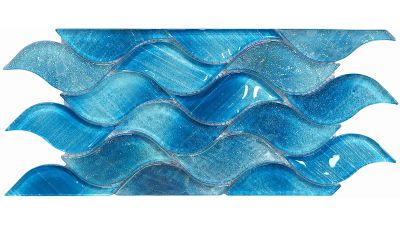
Hand-Painted Wave Border Tiles: A Luxury Upgrade for Swimming Pool Waterlines
Hand-painted wave border tiles bring a refined, artistic finish to swimming pool waterlines, spa edges, and decorative pool borders. Made from durable glass, each tile features a glossy surface enhanced by a sculpted wave texture, creating movement and depth as light reflects across the water. The hand-painted detailing adds subtle variation to every piece, giving the installation a custom-crafted appearance rather than a mass-produced look. Their flowing design works beautifully with both contemporary and classic pool settings, complementing clear water, stone decking, and elegant outdoor architecture.
Designed with a mesh-backed format, these tiles make layout and installation more efficient while helping maintain consistent spacing along curved or straight surfaces. They can be used to define a pool’s waterline, frame a spa, or add a decorative transition between different materials. The combination of luminous glass, raised wave detailing, and hand-painted character creates a luxurious visual accent that remains noticeable from both near and distant viewpoints. When installed along the water’s edge, the tiles interact with sunlight and gentle ripples to produce a polished, dynamic effect throughout the day.
FAQS
They outline each step and help swimmers judge depth. Tile cannot replace supervision, barriers, or suitable lighting.
Choose a color contrasting with the pool floor. Dark charcoal or deep blue may show clearly underwater. Test before ordering.
Yes. Place samples at the planned depth during bright sunlight and evening shade. Showroom colors can disappear underwater.
Small mosaics follow curved or narrow steps with fewer cuts. Larger tiles suit broad, straight platforms with careful alignment.
Select a lightly textured surface that feels stable, not sharp or abrasive. Request wet-slip test details for your intended use.
Check water absorption, surface stability, and resistance to chemicals and temperature changes. Dense tile usually needs less protection from staining.
Inspect grout every season, especially near the lowest step. Chlorine, minerals, sunscreen, and dirt collect there. Pale grout may darken quickly.
Use rounded edges, consistent joints, and suitable movement joints. Strong tile may still fail over weak preparation. That part is easy to underestimate.
Yes. Store tiles from the original batch. Matching replacements later can be surprisingly difficult, and repairs rarely look perfect.
Conclusion
Choosing the best Pool Step Tile requires more than selecting an attractive design. Pool steps are high-traffic areas where safety, comfort, and visibility are essential. Look for tiles with a textured surface and strong slip resistance, especially when wet. The material should be suitable for constant exposure to water, chemicals, sunlight, and temperature changes. Porcelain, ceramic, glass, and other specialized pool-safe materials may each offer different benefits in terms of durability, appearance, and maintenance.
The tile’s size, shape, and color should complement the pool while making each step easy to see. Contrasting colors or clear edge markings can improve visibility for swimmers. Before purchasing, confirm that the tile is compatible with the installation surface, adhesive, grout, and water conditions. Finally, compare its expected lifespan, cleaning needs, resistance to fading or cracking, and overall cost. A well-chosen Pool Step Tile can improve safety, enhance the pool’s appearance, and provide lasting value with proper installation and care.