Leave Your Message
0%

Picking out Metallic Pool Tile isn't just about matching a color to your water. There’s more to it—things like glass type, surface texture, lighting conditions, chemical exposure, and how the tile gets installed all play a part. If you peek at the 2024 Houzz & Home Study, you'll see folks are still totally into upgrading their outdoor spaces. Meanwhile, the Pool & Hot Tub Alliance reports that renovations for pools and spas are in high gear right now. And honestly, these trends really matter. When you revamp a pool, you want surfaces that don’t just look unique but also hold up over time, right?

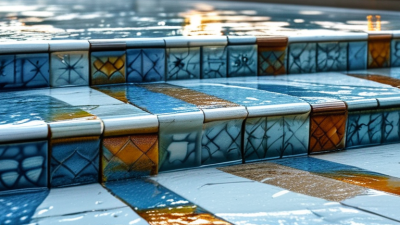
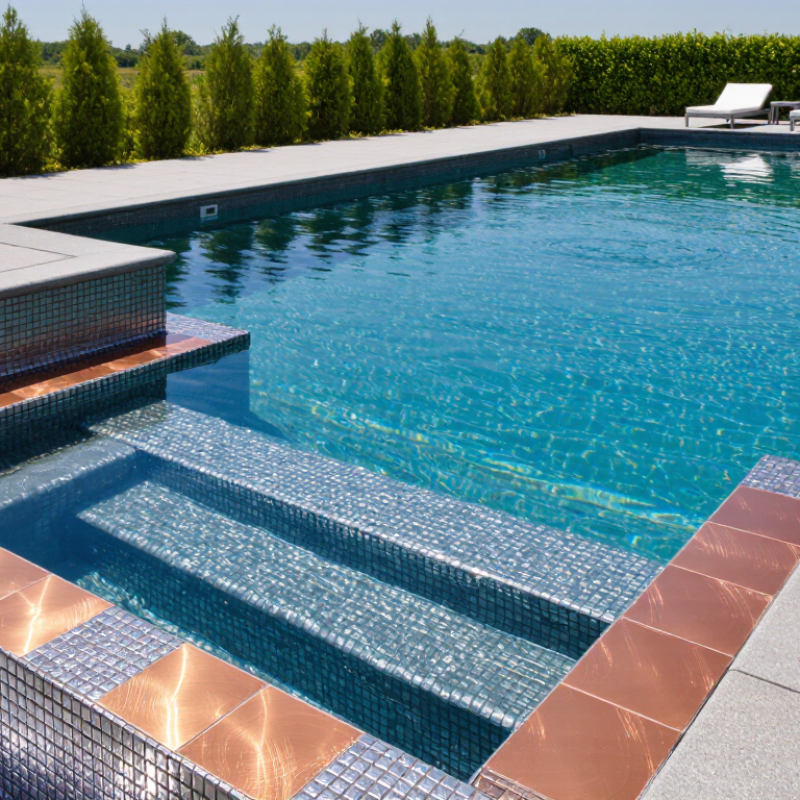
Metallic Pool Tiles can create this really cool, almost moving effect when sunlight hits them. Silver tones tend to reflect cool blues, giving a fresh, crisp look. Copper, on the other hand, adds a warm glow. If you choose brushed finishes, they can help tone down the reflections a bit. But here’s the tricky part—what you see in samples doesn’t always match what you get underwater. This is where a lot of projects hit a snag. A showroom sample often doesn’t reveal the full story—depth, grout colors, or how it looks at night all matter.

John Bridge, a seasoned tile expert, always warns, “The best tile in the world won’t save a bad install.” And honestly, that’s especially true with pools. Making sure you have the right base, waterproofing, proper adhesive, and flexibility joints is just as important as the tile itself. Following manufacturer instructions is a good idea—trust the guidance.

Market reports from Grand View Research point out that pool renovations and high-end finishes are big market drivers, but they don’t really dig into Metallic Pool Tile sales specifically—and that’s okay. Just because the market is growing doesn’t mean every tile is right for your specific pool. It’s a smart move for designers and homeowners alike to test samples, dig into the technical specs, and make sure the tiles can handle slip hazards, chemicals, and freeze-thaw cycles. Some reflective tiles can even reveal installation mistakes more clearly—kind of like how beauty can be a little unforgiving.

All in all, this guide is about how to choose Metallic Pool Tile with a practical mindset—setting realistic expectations and knowing that sometimes, adjustments are part of the process. It’s all about making smart, informed choices that lead to a beautiful, reliable pool finish.
How to Choose Metallic Pool Tile for Your Project?

Define Your Project’s Pool Environment and Design Goals

Choosing metallic pool tile starts with the pool environment, not the color chart. A Pool Tile Swimming Pool near the coast faces salt, humidity, and strong sunlight. An indoor pool may have different lighting, ventilation, and chemical conditions. Ask how the water is treated. Chlorine, salt systems, and mineral content can affect grout, fittings, and tile surfaces over time. Request technical data before making a visual decision.

Your design goal should guide the metallic finish. Brushed surfaces create a calm, muted shimmer. Highly reflective tiles produce dramatic flashes around moving water. However, bright finishes can create glare beneath powerful lights. Dark metallic colors may look elegant, yet they can reveal water spots and mineral deposits quickly. Use samples beside the coping, stone, and interior finish. View them in daylight and after sunset. Small samples can mislead.

Safety and maintenance deserve equal attention. Select products rated for submerged use and confirm compatibility with the intended installation system. Textured surfaces may improve grip, but they can collect residue. Smooth tiles clean more easily, though they may feel visually intense. An experienced pool installer can inspect the substrate, movement joints, and grout requirements. Do not rely on appearance alone. I once underestimated evening lighting on a reflective surface; the completed area felt brighter than expected. A temporary mock-up would have exposed that issue earlier. Leave room for revision.

Compare Metallic Tile Materials, Finishes, and Visual Effects

Choosing metallic pool tile begins with the material, not the sparkle. Glass reflects light sharply and resists water absorption, making it suitable for waterline details and mosaics. Porcelain offers stronger abrasion resistance and a quieter metallic appearance. Stainless steel creates a crisp, architectural effect, but it demands careful specification near saltwater systems. My early mistake was judging samples under showroom LEDs. Sunlight exposed every uneven reflection.

Finish changes the pool’s visual temperature. Brushed surfaces soften glare, while polished finishes create bright flashes across moving water. Irregular textures can hide minor marks, but they may collect oils and complicate cleaning. The CDC’s Model Aquatic Health Code emphasizes nonabsorbent, smooth, cleanable pool surfaces. That guidance matters around coping, steps, and Pool Tiles Around Pool, where residue becomes visible quickly. ANSI A326.3 uses a 0.42 wet dynamic coefficient of friction benchmark for level walking surfaces, although designers should not apply it blindly to submerged areas. Pool-specific testing remains essential.

Industry reports also show why durability deserves attention. Grand View Research estimates the global ceramic tiles market will continue expanding through 2030, supported by renovation and residential construction demand. Yet growth does not guarantee performance. Request water-absorption data, chemical-resistance documentation, grout compatibility, and installation references. Metallic finishes can look luxurious, then appear overly cold beside gray stone. A small sample submerged outdoors for several days may reveal more than a glossy brochure. Test before committing.

Evaluate Tile Safety, Water Resistance, and Long-Term Durability

How to Choose Metallic Pool Tile for Your Project?

Metallic pool tile can make water shimmer, but appearance should never lead the decision. For Tile On Pool installations, check the surface texture around steps, benches, and shallow ledges. A glossy finish may become uncomfortable or slippery when wet. Ask for slip-resistance data and inspect sample edges by hand. Sharp corners can cause injuries, especially in busy family pools. Small details matter.

Water resistance depends on more than the visible tile. Review the tile’s water absorption rate, backing material, glaze stability, and recommended adhesive. Pool chemicals, salt, sunlight, and repeated cleaning can weaken unsuitable finishes. Request written testing information for continuous underwater use. Do not rely only on showroom samples. They may look perfect before months of chlorine exposure.

Long-term durability also involves installation conditions. The substrate must be stable, clean, and properly cured. Flexible, water-resistant grout can reduce movement damage, but it cannot correct poor preparation. In cold climates, confirm freeze-thaw performance before selecting outdoor tiles. Metallic coatings may age differently from the tile body. That deserves attention.

A practical test is simple. Place samples underwater for several weeks, then inspect color, edges, and surface changes. It is not a laboratory result, but it can reveal concerns early. I would also compare replacement availability and maintenance instructions. A beautiful tile becomes a costly mistake when one damaged piece cannot be matched.

How to Choose Metallic Pool Tile for Your Project? - Evaluate Tile Safety, Water Resistance, and Long-Term Durability

Tile Type Typical Water Absorption Pool Suitability Safety Considerations Resistance to Chemicals and Water Long-Term Durability Main Installation Checks Best Application
Porcelain Tile with Metallic Glaze Usually ≤ 0.5% for porcelain bodies when tested under ASTM C373 or EN ISO 10545-3. Suitable only when the complete tile and metallic surface are specifically approved for continuous immersion. Use slip-tested products in walking areas. Avoid sharp edges, raised metallic details, and highly polished finishes on steps or pool floors. The porcelain body is highly resistant, but the metallic glaze may be affected by aggressive cleaners, low pH, or abrasive chemicals. Generally high when the glaze is fully fired and designed for submerged use. Surface scratching or finish discoloration remains possible. Confirm immersion rating, chemical compatibility, edge protection, grout suitability, and movement-joint requirements. Feature walls, waterline bands, decorative borders, and low-abrasion areas.
Glass Tile with Metallic Coating or Backing The glass itself is essentially non-absorbent; the backing, coating, and adhesive system determine actual water performance. Often suitable for pools when the glass, coating, adhesive, and grout are all rated for permanent immersion. Glass can be slippery when polished. Select a textured or slip-tested finish for wet walking surfaces and use eased edges on exposed corners. The glass is chemically stable, but metallic backing or decorative coatings may react to unsuitable cleaners, moisture, or prolonged alkalinity. High in stable conditions. Delamination, coating loss, or trapped moisture can occur if the product is not designed for immersion. Check coating orientation, mesh or paper mounting compatibility, adhesive coverage, grout type, and curing time before filling the pool. Waterline accents, mosaics, spa details, steps, niches, and decorative feature areas.
Stainless-Steel Mosaic or Metal Tile 0% water absorption for the metal surface; joints, backing, and adhesive remain water-exposed components. Suitable in selected pool and spa locations when the metal grade and installation system are approved for chlorinated or saltwater exposure. Avoid sharp profiles and highly reflective surfaces that can create glare. Metal may become hot in direct sunlight when installed above the waterline. Good corrosion resistance depends on the stainless-steel grade, water chemistry, chloride level, and cleaning routine. Do not use chlorine-based or acidic cleaners unless approved. High when the correct grade, passivation, adhesive, and grout are used. Surface staining or tea-colored corrosion can result from contamination or poor chemistry control. Verify metal grade, electrical bonding requirements, isolation from dissimilar metals, expansion gaps, and compatible cementitious or epoxy grout. Waterline features, spa details, wall accents, vertical panels, and carefully selected submerged highlights.
Metallic-Finish Ceramic Tile Commonly above 0.5% for non-porcelain ceramic bodies; the exact classification must be confirmed from the technical sheet. Use in pools only if the tile is explicitly rated for submerged installation; many metallic ceramic finishes are intended for dry interiors. Polished surfaces may be unsuitable for floors, steps, and coping. Select a tested wet-slip finish and avoid exposed sharp edges. The body may be less water-resistant than porcelain, while the metallic glaze can be sensitive to abrasion, acids, and concentrated chemicals. Moderate to high depending on the glaze and firing quality. Freeze-thaw exposure and prolonged immersion require specific product approval. Confirm water-absorption class, freeze-thaw rating where relevant, glaze durability, adhesive coverage, and grout compatibility. Decorative waterline areas, sheltered walls, and low-contact accents rather than high-traffic pool floors.
Metal-Look Porcelain Mosaic Typically ≤ 0.5% when manufactured as porcelain and tested according to the applicable ceramic-tile standard. Usually a lower-risk option for immersion than a thin decorative metallic coating, provided the finish is pool-rated. Slip performance depends on surface texture. Use a wet-tested finish for floors and verify edge treatment on mosaics and stair nosings. Generally strong resistance to water and pool chemicals; metallic effects may still be damaged by abrasive pads or unsuitable acids. High for the porcelain body and properly fired surface. Color and sheen retention should be confirmed for submerged and exterior exposure. Check full-body classification, finish testing, mesh mounting, joint alignment, grout color, and movement-joint detailing. High-use waterline zones, pool walls, steps, and decorative areas requiring a metal appearance with ceramic performance.
Selection Notes:
  • Water absorption values describe the tile body or surface only; adhesive, grout, backing, and installation joints must also be rated for continuous immersion.
  • There is no single slip-resistance value that makes every pool surface safe. Request wet-test data applicable to the intended location, especially for steps, floors, ramps, and coping.
  • Maintain balanced pool chemistry according to local health requirements. Low pH, excessive chlorine, high salinity, and poor water balance can shorten the life of metallic finishes.
  • Always request the current technical data sheet and written confirmation that the complete tile system is suitable for submerged use before installation.

Choose the Right Tile Size, Shape, Color, and Surface Texture

Metallic pool tile can make water look deeper, brighter, or unexpectedly cold. The right choice starts with tile size, not color. Large tiles create calmer lines and fewer grout joints, while smaller mosaics follow steps, curves, and tight edges more easily. In my pool installations, 25–50 mm mosaics have handled rounded benches better than oversized pieces. Yet small tiles demand more grout maintenance. That trade-off is easy to underestimate.

Choose square tiles for orderly geometry and consistent visual rhythm. Rectangular or hexagonal shapes add movement, but busy patterns can compete with coping and landscaping. Test colors underwater, outdoors, and under evening lighting. Silver tones reflect crisp blue, while bronze and charcoal create warmer depth. Samples on a dry wall may mislead you. Surface texture matters too. A lightly textured finish can soften glare, but rough surfaces may collect deposits faster. I once chose a dramatic polished finish; it looked beautiful, but evening reflections were harsher than expected.

Tips: Request mounted samples and place them in the actual pool area. Check pool-rated specifications, cleaning requirements, and slip-resistance guidance before ordering. Review grout color beside the tile. A small sample test may prevent an expensive visual mistake.

Check Installation Requirements, Compatibility, and Maintenance Needs

How to Choose Metallic Pool Tile for Your Project?

Check Installation Requirements, Compatibility, and Maintenance Needs

Metallic pool tile needs more planning than a sample board suggests. Confirm that the tile is rated for continuous water exposure, not only decorative walls. Ask for installation instructions, chemical resistance data, and approved adhesive and grout types. The substrate must be stable, clean, and properly waterproofed. Uneven surfaces can create visible shadows across reflective tiles.

Compatibility matters around waterlines, steps, and fittings. Metal finishes may react poorly with harsh cleaners, high salt levels, or unbalanced pool chemistry. Check the tile’s metal composition and coating before placing an order. A small mock-up can reveal color changes under sunlight and underwater lighting. I once selected a finish from an indoor sample, and it looked far brighter beside blue pool water. That mistake was avoidable.

Maintenance should be practical for the owner. Use a soft cloth, mild cleaner, and a non-abrasive brush. Avoid steel wool and strong acids unless the technical instructions specifically allow them. Keep pH, sanitizer, and mineral levels within recommended ranges. Inspect grout lines and edges every few months. Pool Tile Dr may help organize project questions, but the installer’s written guidance should control the final decision. I still recommend testing a spare tile, because small surface damage can become obvious after installation.

Set a Realistic Budget and Select a Reliable Tile Supplier

A realistic budget for metallic pool tile starts with more than the tile price. Measure the waterline, steps, benches, and curved sections carefully. Add 10% to 15% for cuts and breakage. Small pieces disappear quickly during installation.

Include waterproofing, setting materials, labor, delivery, and future repairs. Metallic surfaces may require compatible adhesive and grout. Ask an installer to review the substrate before ordering. My first estimate was too optimistic. I had overlooked extra preparation around the pool edges.

A reliable supplier should provide clear specifications, sample pieces, and batch information. Request samples in direct sunlight and underwater lighting. Metallic finishes can look warmer or darker than online images.

Check water resistance, chemical compatibility, slip performance, and cleaning requirements. Do not rely on attractive photographs alone.

Ask how the supplier handles damaged cartons and color variations. Written replacement terms matter. Request references from completed pool projects, not only indoor renovations.

A dependable supplier answers technical questions without rushing your decision. They should also explain lead times and storage conditions.

Keep one unopened box for future repairs. It may save time later.

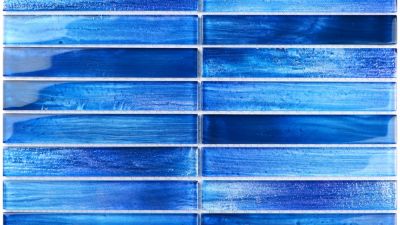
Arthur 25x150mm Blue Glass Mosaic Tile: A Stylish Choice for Modern Interiors

The 25x150mm blue glass mosaic tile is designed for interiors that need direction, movement, and a stronger sense of visual length. Its slim rectangular format creates a clear horizontal rhythm, making it particularly effective on swimming-pool waterlines, bathroom feature walls, shower surrounds, spa areas, and commercial hospitality interiors. Blue options range from bright sky tones to cobalt and royal blue, while cloudy transitions, fine linear textures, and layered glass effects provide different levels of decorative expression.

Market data supports the continued relevance of tile in renovation and construction. Grand View Research valued the global ceramic tiles market at approximately USD 227.8 billion in 2023 and projects continued growth through 2030, driven partly by residential refurbishment and commercial development. For designers and contractors, glass mosaic remains attractive because its reflective surface can amplify light, add depth to compact spaces, and support distinctive visual schemes without requiring oversized installation areas.

For importers, distributors, contractors, and tile showrooms, this 25x150mm collection combines a familiar blue palette with a contemporary chip proportion. The elongated pieces can be arranged in horizontal bands, stacked layouts, or selected feature patterns, giving projects flexibility across different design styles. Competitive pricing and stable supply also make the series practical for repeat residential specifications, hospitality developments, wellness facilities, and larger commercial programs.

FAQS

Which material is best for metallic pool tile?

Glass reflects light sharply and absorbs little water. It suits waterline details and mosaic patterns. Porcelain resists abrasion and looks visually quieter. Stainless steel creates a crisp architectural effect. Saltwater systems require careful material specifications.

How does the finish change the pool’s appearance?

Brushed finishes soften glare and create a calmer surface. Polished finishes produce bright flashes across moving water. Irregular textures can hide small marks. However, textured surfaces may collect oils and require more cleaning.

Can glossy metallic tile become slippery?

It can, especially around wet steps, benches, and shallow ledges. Request wet slip-resistance data before purchasing. Inspect sample edges by hand. Sharp corners need correction.

What water-resistance information should I request?

Ask for water absorption rates, backing details, glaze stability, and chemical-resistance records. Confirm the tile supports continuous underwater exposure. Decorative-wall approval is not enough. Written documentation is safer than assumptions.

How should I test a metallic tile sample?

Submerge several samples outdoors for several weeks. Check color, edges, coating changes, and surface texture. Compare sunlight with underwater lighting. The test is imperfect. Still, it reveals warning signs early.

Which installation conditions affect long-term durability?

The substrate should be stable, clean, cured, and properly waterproofed. Uneven surfaces can create shadows across reflective tiles. Use compatible adhesive and flexible, water-resistant grout. In cold climates, verify freeze-thaw performance.

How should metallic pool tile be cleaned?

Use a soft cloth, mild cleaner, and a non-abrasive brush. Avoid steel wool and strong acids unless approved in writing. Maintain balanced pH, sanitizer, and mineral levels. Inspect grout and edges every few months.

What mistake should buyers avoid?

Do not judge samples under showroom lighting alone. Sunlight may expose uneven reflections and unexpected brightness. I once chose an indoor sample that looked too bright beside blue water. A small mock-up could have prevented that mistake.

Should replacement availability influence the decision?

Yes. Ask whether matching pieces will remain available after installation. Keep spare tiles in a dry, labeled location. One damaged piece can become expensive when no close match exists. Beauty is not enough.

Conclusion

Choosing the right Metallic Pool Tile begins with understanding your pool environment and overall design goals. Consider whether the pool is indoors or outdoors, the amount of sunlight, surrounding architecture, water color, and the atmosphere you want to create. Compare tile materials, finishes, and visual effects carefully, since polished, brushed, reflective, and textured surfaces can produce very different results. Safety should also be a priority: select tiles with suitable slip resistance, low water absorption, corrosion resistance, and proven durability for continuous exposure to water and pool chemicals.

You should also evaluate the tile’s size, shape, color, and surface texture to ensure they fit both the design and the pool’s structure. Before purchasing, confirm installation requirements, adhesive and grout compatibility, cleaning methods, and long-term maintenance needs. A realistic budget should include materials, preparation, installation, waste, and future upkeep. Finally, choose a reliable supplier that can provide accurate product specifications, consistent quality, sufficient quantities, and practical technical support for a successful pool renovation or new construction project.

Ethan

Ethan

Ethan is a seasoned marketing professional with a deep expertise in premium pool mosaic tiles. With a passion for both the technical and artistic aspects of swimming pool surfaces, he brings a unique perspective to his role at a leading company in the industry. Ethan is dedicated to sharing his......
Previous 10 Tips for Choosing the Best Pool Flooring Tiles