Leave Your Message
Picking a reliable China Pool Wall Tile manufacturer? It takes a lot more than just comparing catalog prices. This guide digs into production experience, material quality, testing practices, and the kind of project support you actually get after the sale. And yes, looks can be misleading. Pool environments are tough on tile. Chlorine, moisture, sunlight, constant cleaning — it all adds up. So we look at water absorption, tile density, glaze consistency, color stability, and edge tolerance. A tile can look perfect in a showroom and still behave very differently once it's installed. That gap is worth paying attention to. Real project experience often reveals problems that brochures never mention. Our research approach pulls together manufacturer records, technical datasheets, sample reviews, factory capabilities, and feedback from contractors. We look for clear test methods, stable export experience, responsive communication, and protective packaging. A reliable supplier should be able to explain porcelain or ceramic composition, slip considerations, shade variation, recommended adhesives, and installation limits. They should also provide batch information and practical maintenance guidance. Claims without evidence? They stay weak. The shortlist isn't an unquestionable ranking. Market conditions change, and published information can be incomplete. Some manufacturers are great at custom colors, while others offer stronger volume capacity or faster sampling. We try to compare those differences honestly, including limitations and unanswered questions. Our assessment may miss details hidden inside private production systems. That's worth admitting. Before ordering, ask for current samples, recent test documents, and references from comparable pool projects. Small checks can prevent expensive repairs. This overview is meant to support careful decisions, but professional specification review is still essential.
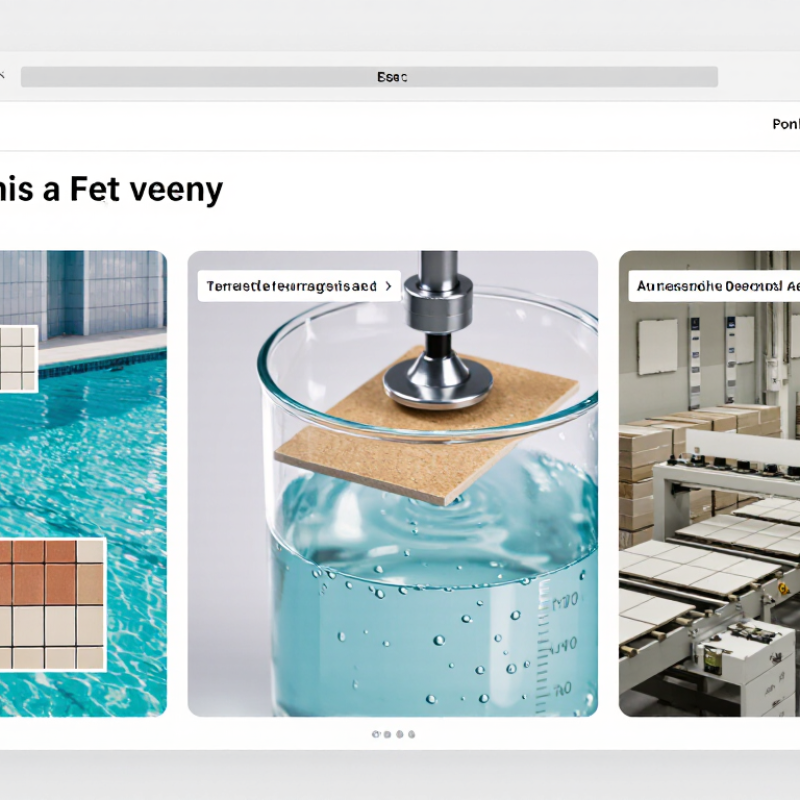
Pool wall tiles are purpose-made surfaces for swimming pools, water features, and spa interiors. They are usually porcelain or glazed ceramic, with low water absorption and strong resistance to chlorine, salts, and repeated cleaning. Their color, texture, and joint design affect both appearance and daily maintenance.
Manufacturer selection matters because a pool environment exposes weak materials quickly. A reliable manufacturer should provide clear technical data, including water absorption, chemical resistance, slip performance, and freeze-thaw suitability. Ask for production samples from the actual batch, not only catalog pieces. Check whether the tile edges are straight and whether sizes remain consistent across cartons. Small differences can create uneven lines on a large pool wall.
Quality control should cover firing temperature, glaze adhesion, shade matching, packaging, and final inspection. Factory experience also matters when custom colors, curved walls, or mosaic sheets are required. A capable supplier explains limitations instead of promising everything. That builds trust.
Price still matters. However, a low quotation may hide weak packaging, inconsistent batches, or limited technical support. No checklist catches everything. Even careful buyers can miss a slight color shift under outdoor light. I would review samples beside the intended water color and confirm installation conditions with a qualified tile professional. Good documentation helps, but practical testing remains essential.
| Evaluation Dimension | Relevant Product Data | Why It Matters for Pool Wall Tiles | Recommended Verification Method |
|---|---|---|---|
| Product Definition | Pool wall tiles are ceramic, porcelain, or glass tiles designed for submerged or splash-zone surfaces, including interior walls, steps, benches, and waterline areas. | Pool environments expose tiles to continuous moisture, cleaning chemicals, temperature changes, and repeated wet contact. | Confirm the intended application in the technical data sheet and installation instructions. |
| Tile Material | Common options include porcelain, glazed ceramic, glass mosaic, and specialty frost-resistant ceramic products. | Material composition affects water absorption, chemical resistance, durability, appearance, and installation compatibility. | Request the product composition, firing information, test report, and recommended use area. |
| Water Absorption | Porcelain tile is generally classified as BIa under ISO 13006 when water absorption is no greater than 0.5%. Ceramic wall tiles may have higher absorption and require application-specific evaluation. | Lower absorption helps reduce moisture penetration and improves suitability for demanding wet environments, although installation quality remains essential. | Check laboratory water-absorption results against ISO 10545-3 or the applicable regional standard. |
| Typical Mosaic Formats | Frequently supplied formats include 25 × 25 mm, 48 × 48 mm, 50 × 50 mm, and 100 × 100 mm mosaics, often mounted on mesh or face paper. | Small mosaics conform well to curved surfaces and create more grout joints, which can improve visual flexibility and surface detailing. | Confirm actual tile dimensions, sheet dimensions, joint spacing, mounting method, and allowable dimensional tolerance. |
| Typical Large-Format Sizes | Common wall-tile formats include approximately 300 × 600 mm, 300 × 900 mm, and 600 × 1200 mm, depending on the product range and installation system. | Larger tiles reduce the number of joints but require flatter substrates, accurate cutting, and suitable handling procedures. | Review flatness requirements, allowable tolerances, recommended adhesive coverage, and maximum application size. |
| Surface Finish | Available finishes may include glossy, satin, matte, textured, structured, and glazed surfaces. | Finish influences light reflection, cleaning effort, visual appearance, and wet-surface traction. Highly polished surfaces may be unsuitable for walking areas. | Request finish samples and evaluate them under wet conditions before approving the specification. |
| Slip Resistance | Slip-resistance ratings depend on the test method and are normally specified for floors, steps, and other areas subject to foot traffic rather than vertical walls. | Pool walls may not require the same rating as pool decks, but steps, benches, ledges, and other touch or walking surfaces need separate assessment. | Ask for the exact test method, test result, and intended location of use. Do not compare ratings from different test standards directly. |
| Chemical Resistance | Quality glazed and porcelain products are commonly tested for resistance to household chemicals and swimming-pool chemicals under applicable standards. | Pool water treatment products, acidic cleaners, and alkaline cleaners can affect glaze, color, grout, and surface appearance over time. | Review chemical-resistance results, cleaning limits, and written maintenance recommendations. |
| Color and Glaze Stability | Color options may be produced using digital printing, colored body, reactive glaze, transparent glaze, or solid-color glass compositions. | Stable color and consistent glaze coverage are important for large pool areas where shade variation is easily visible. | Approve a production sample, define acceptable shade variation, and compare samples from different production lots. |
| Dimensional Tolerance | Relevant characteristics include length, width, thickness, straightness, rectangularity, and surface flatness. | Consistent dimensions help maintain uniform grout joints and reduce installation labor, lippage, and visual irregularities. | Request dimensional inspection records based on ISO 10545-2 or the project’s specified standard. |
| Frost and Thermal Resistance | Frost resistance is particularly relevant to outdoor pools, unheated pools, cold climates, and installations exposed to freeze-thaw cycles. | Water entering tile or substrate systems may expand during freezing and contribute to cracking or debonding. | Confirm frost-resistance testing where required and review the complete waterproofing and movement-joint system. |
| Tile Thickness | Common ceramic and porcelain thicknesses are approximately 6–10 mm, while specialty products may differ. | Thickness affects handling, weight, cutting, edge alignment, adhesive selection, and transitions with adjacent materials. | Verify nominal thickness, tolerance, weight per square metre, and compatibility with the pool structure. |
| Edge Type | Tiles may be rectified or non-rectified. Rectified tiles are mechanically finished after firing for more precise edges. | Rectified edges can support narrower and more consistent joints, but they do not eliminate the need for movement accommodation or skilled installation. | Confirm edge processing, recommended minimum grout joint, and installation tolerances. |
| Mesh-Mounted Sheets | Mosaic sheets are commonly assembled with rear mesh, front paper, or a removable film, depending on the product and installation method. | Mounting affects sheet alignment, adhesive contact, wet-area performance, and the risk of visible sheet patterning. | Test a sample sheet in the specified adhesive and confirm that the mounting material is suitable for permanent immersion. |
| Adhesive Compatibility | Pool installations generally require a suitable cementitious or reactive resin adhesive selected for immersion, substrate, tile type, and water conditions. | Even a high-quality tile can fail if the adhesive is incompatible, coverage is insufficient, or curing occurs under unsuitable conditions. | Require a written adhesive recommendation and verify compliance with the project specification and local standards. |
| Grout Compatibility | Common choices include cementitious grout and epoxy grout. Selection depends on chemical exposure, joint width, cleaning requirements, and design. | Grout joints are part of the pool’s visible and functional surface system; poor selection can lead to staining, cracking, or water-related deterioration. | Confirm grout suitability for continuous immersion, chemical exposure, joint dimensions, and expected maintenance conditions. |
| Quality-Control Testing | Useful tests include water absorption, breaking strength, modulus of rupture, surface abrasion where applicable, chemical resistance, dimensional properties, and thermal or frost resistance where required. | Testing provides objective evidence that the supplied batch matches the specified performance requirements. | Request current third-party or factory laboratory reports with product code, test method, date, and batch reference. |
| Production Consistency | Key controls include raw-material batching, firing parameters, glaze application, shade sorting, calibration, packing, and batch traceability. | Consistent production reduces shade differences, warpage, mixed calibres, breakage, and replacement difficulties during phased construction. | Review the quality-control plan, inspection records, batch coding, and pre-shipment inspection procedure. |
| Packaging and Export Protection | Recommended export packaging may include moisture-resistant cartons, corner protection, pallets, banding, and clear product identification. | Tiles are vulnerable to edge damage, carton collapse, moisture exposure, and mixed-batch errors during long-distance transport. | Approve packaging samples and define requirements for pallet loading, carton labels, spare quantities, and damage claims. |
| Minimum Order and Customization | Manufacturers may offer standard colors and sizes, while custom colors, patterns, logos, trims, and special packaging may require minimum order quantities. | Customization can improve project identity but may increase lead time, tooling requirements, sampling cost, and batch risk. | Obtain written confirmation of minimum order quantity, sample approval stages, tooling charges, lead time, and replacement policy. |
| Manufacturer Selection | Important selection factors include relevant pool-project experience, technical documentation, production capacity, quality controls, communication, and after-sales support. | Manufacturer capability affects not only tile appearance but also delivery reliability, batch consistency, technical risk, and the total installed cost. | Use a weighted supplier scorecard and assess samples, references, factory controls, documentation, and commercial terms before ordering. |
Note: Product performance depends on the complete installation system, including substrate preparation, waterproofing, adhesive, grout, movement joints, curing, water chemistry, and maintenance. Always verify the latest technical data for the specific product and project conditions.
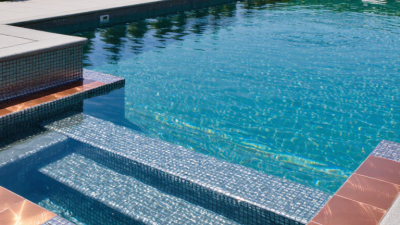
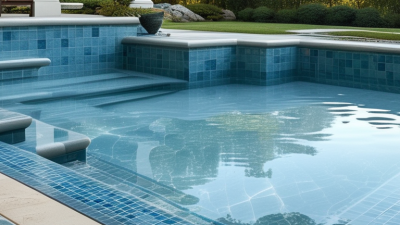
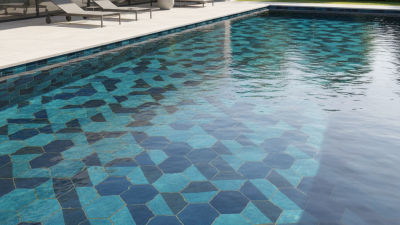
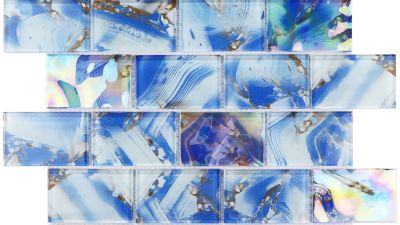
A stunning blue water pool mosaic begins with the right balance of color, texture, and light. These glossy 2" x 3" glass pool tiles create a refined aquatic surface that shifts beautifully under sunlight and underwater illumination. A layered palette of glacier aqua blue, ocean mist blue, crystal light blue, iridescent aqua pearl, deep sea blue, and antique aqua blue adds depth and movement, helping the pool resemble clear coastal water. The varied blue tones blend naturally while the polished glass surface reflects light across the waterline and pool interior.
Designed for more than residential pools, these durable glass tiles are suitable for spas, feature walls, and commercial projects. Their elongated rectangular shape supports clean layouts, flowing patterns, framed details, and artistic mosaic installations. Used across steps, water features, raised walls, or full pool surfaces, the tiles can create either a calm contemporary atmosphere or a rich ocean-inspired focal point. The combination of luminous color, glossy texture, and versatile sizing makes them an expressive choice for transforming ordinary aquatic spaces into visually captivating environments.
Request test reports for water absorption, slip resistance, chemical resistance, and freeze-thaw durability. Do not trust factory size alone. Inspect several cartons, not one perfect sample. Check color, flat edges, surface density, and thickness.
Ask for kiln records, batch numbers, quality-control photos, and recent export references. An independent laboratory report is more convincing than an internal certificate. Still, paperwork can miss production changes. Keep checking.
Large factories often provide stable batches and stronger testing systems. Mosaic specialists handle curved steps, drains, and narrow corners better. OEM factories offer flexible designs, but written specifications must be precise.
Porcelain, ceramic, glass mosaic, and selected natural stone are common options. Porcelain handles moisture and regular cleaning well. Glass mosaic suits curves, steps, and waterlines. Natural stone adds texture, but maintenance requirements need careful review.
Buyers can request dimensions, colors, textures, rounded edges, and cut-to-size coping. Some factories create gradients or simple patterns for feature walls. Physical color samples are safer than screen images. Screens deceive.
Request a pre-production sample with the approved size, shade, finish, and backing mesh. Compare it under direct sunlight. Check grout spacing and edge alignment after a small trial installation. A small mismatch becomes obvious beside blue water.
Corner protection should withstand a dropped carton and humid storage. Confirm carton labels, pallet stability, moisture protection, and replacement procedures. The backing mesh also deserves attention. It may look weak only during installation.
Record tile dimensions, absorption limits, shade tolerance, packaging standards, and replacement conditions. Include approved drawings and sample photographs. Confirm installation guidance and export documents before production. Custom options can increase waste and lead time, so I would limit unnecessary choices.
Choosing the right Pool Wall Tile manufacturer in China is essential for achieving a durable, attractive, and safe swimming pool finish. Pool wall tiles must resist water absorption, chemicals, temperature changes, staining, and regular wear, so manufacturer selection should consider production experience, material consistency, quality control, design capabilities, and communication standards. Buyers should review product samples, factory capacity, technical support, and verified customer feedback before making a decision.
Chinese manufacturers may specialize in ceramic, porcelain, glass, mosaic, or customized pool tile solutions. Depending on the project, they may offer different colors, textures, shapes, patterns, surface finishes, and packaging options. It is also important to confirm applicable quality, safety, and environmental certifications, as well as testing procedures. When comparing suppliers, evaluate total cost rather than unit price alone, including customization fees, minimum order quantities, lead times, shipping arrangements, export documentation, and after-sales support. A reliable manufacturer should provide clear specifications, consistent quality, realistic delivery schedules, and professional international service.